
Key Takeaways:
- Understand the distinctive factors of buying wine country real estate, including specialized zoning laws and rural property features.
- Assess the land’s suitability for agriculture, especially if you plan to grow grapes.
- Plan your purchase timing based on local market seasonality and consider potential income streams.
- Seek local professionals for guidance on real estate, finance, and legal matters in wine country neighborhoods.
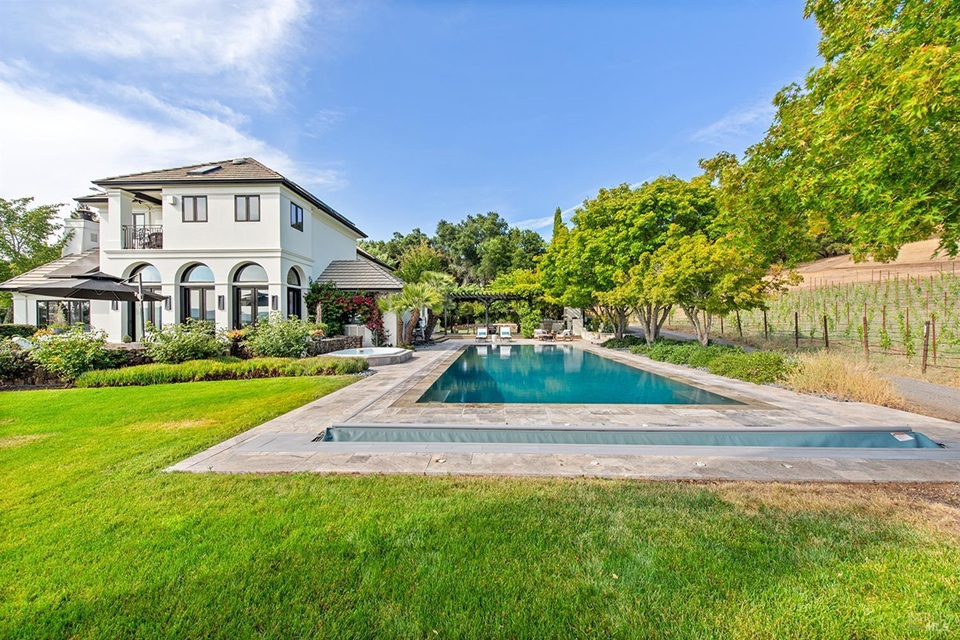
Embarking on the journey to purchase your first home in wine country blends the excitement of a dream lifestyle with the complexities of a unique real estate market. Whether you envision sun-dappled afternoons on a terrace overlooking vineyards or plan to participate in the viniculture tradition, understanding the region’s nuances is essential. If you are looking for the best homes and local expertise, one excellent resource is Healdsburg CA homes for sale. The Ceci Cook website features a curated selection of properties and insider tips. Ceci Cook is a trusted local expert specializing in wine country homes, especially throughout the Healdsburg area and Sonoma County. Her team provides buyers with deep market insight and professional guidance, making them a reliable choice for anyone looking to navigate the complexities of wine region real estate.
This comprehensive guide explores essential tips for choosing your first wine country property, assessing land, timing your purchase, and understanding financial and legal considerations. Whether you wish to run a vineyard, enjoy rural tranquility, or make a smart investment, these insights will help you move forward with confidence.
Understanding Wine Country Real Estate
Wine country homes have a character and set of challenges that set them apart from city or suburban properties. Many of these homes come with working or hobby vineyards, tasting rooms, or panoramic land subject to strict zoning laws. In Sonoma and Napa counties, for example, rural lots are often subject to special land use regulations that aim to preserve both scenic beauty and agricultural heritage. It is crucial to research any restrictions on short-term rentals, farm operations, or expansion plans you may have.
Before falling in love with a sprawling property, review the specifics of the local zoning, environmental rules, and the impact these may have on your intended lifestyle or business. The availability of infrastructure, such as reliable water sources, road access, and utilities, is another practical factor to consider, as rural parcels may not always offer the level of service city buyers expect. For a broader understanding of trends and issues impacting rural homebuyers, this overview by The New York Times offers additional insights.
Assessing The Land & Property
Beyond house styles and amenities, the true value of many wine country homes lies in the land itself – particularly if vineyards are present or planned. Begin with a thorough examination of the soil quality, water drainage, and sun exposure on the property. These aspects directly impact vineyard productivity and property aesthetics.
Vineyards & Agricultural Potential
If grape growing is in your plans, scrutinize the age, health, and varietal of any existing vines. Mature vines may offer better grape quality, but they may require more care or replanting in the near future. Utilizing the expertise of a local viticulturist is essential to get an honest and informed perspective on a property’s agricultural potential.
Home & Infrastructure Evaluation
Pay attention to the condition of outbuildings (such as barns and equipment sheds) and the age and state of the main home. Older homes may have character but can also require updates to meet modern standards or local regulations. Inspect for any deferred maintenance and obtain a professional inspection to avoid expensive surprises after closing.
Timing Your Purchase
Wine country housing markets run on a slightly different schedule than traditional urban markets. Spring and the grape harvest season (typically late summer through early fall) see the highest influx of listings and buyers. While purchasing in the off-season can sometimes yield better negotiating terms, buyers who shop during peak periods will have more options to choose from and a fuller sense of the local market. Savvy buyers keep an eye on interest rate fluctuations and seasonal pricing to find the best opportunities.
Planning For Maintenance & Income
Cost and time commitments for maintaining a wine country property can be significant, especially for those who wish to run a working vineyard. Be sure to budget for landscaping, vineyard management, irrigation, and the upkeep of rural amenities, such as fencing and private access roads. If you do not plan to manage the grounds yourself, factor in the cost of contracting with professionals for ongoing care.
There are also ways to generate revenue from your property. Many owners offer their homes as vacation rentals, host wine-focused events, or lease vineyard acreage to local producers. Understanding both the potential and the restrictions for income generation in your region is a smart move before purchase. For more guidance on financial planning around agricultural properties, consider additional resources such as Forbes’ expert guide to buying agricultural property.
Working With Local Experts
Wine region real estate is particularly specialized, with local market knowledge playing a vital role in successful transactions. An experienced real estate agent who focuses on the area can guide you to properties that fit your needs and budget, identify red flags, and help you negotiate effectively. Additional professionals, such as viticulturists, land-use attorneys, and agricultural lenders, are also important partners in the process, ensuring your purchase goes smoothly and meets your long-term goals.
Financing Your Wine Country Home
Financing rural property may involve additional hurdles compared to suburban or city homes, particularly if the property includes significant acreage or a vineyard operation. Not all lenders are comfortable with the risks or unique features of agricultural properties, so it’s beneficial to seek banks or loan brokers with a proven track record with these home types. Explore specialty loan options that address both land and residential structures, and be prepared to provide detailed information about intended property use during the approval process.
Legal Considerations
There are key legal issues that can impact your ownership and enjoyment of a wine country property. Local regulations on land use, water rights, conservation easements, and short-term rentals vary widely between counties and even neighborhoods. Ensuring compliance is essential, as violations may lead to costly fines or limit your ability to use the property as intended. Consulting with a local attorney who understands the intersection of residential and agricultural law will help you avoid common pitfalls and protect your investment.
Conclusion
Purchasing your first wine country home represents not just an investment in real estate, but a step into a lifestyle rooted in nature, culture, and possibility. By researching the unique dimensions of wine country real estate, investing time in land assessment, considering maintenance and income, and seeking local experts, you can make choices that set you up for long-term satisfaction and success in California’s most cherished wine regions.




Leave a Reply