
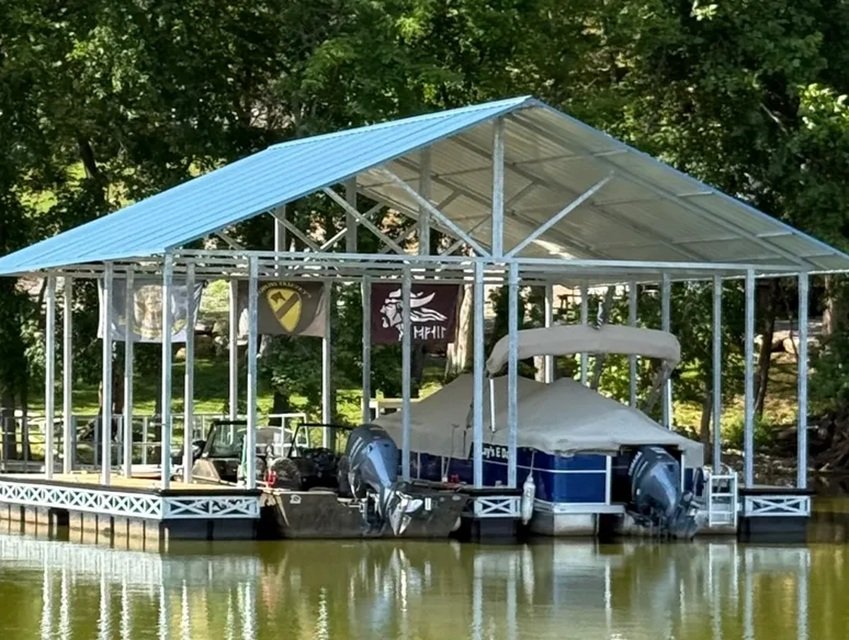
Aluminum and wood can both make dependable docks, but years of water, sun, and foot traffic affect them differently. Wood brings a familiar look and solid feel, while aluminum avoids several moisture-related problems common around waterfront structures. Both materials have strengths, so the better choice depends on the site, budget, upkeep, and how the dock will be used.
Frame Strength & Long-Term Stability Start With The Right Material
Structural performance depends on more than whether a frame is metal or lumber. Compared with wood, aluminum provides strength without adding as much dead weight to the dock. Lower weight can reduce the load carried by floats, hinges, gangways, and anchors on floating systems. That advantage helps on larger platforms or docks that move with changing water levels. Proper bracing still matters because strong material can flex if supports are spaced poorly. Experienced boat dock builders size framing around traffic, accessories, boat activity, and site exposure rather than material alone.
Moisture Affects Wood & Aluminum In Very Different Ways
Moisture creates one of the clearest differences between these construction types. Timber can absorb water through exposed grain, holes, cracks, and worn finishes, leading to swelling, checking, decay, or soft spots. Repeated wet-and-dry cycles may also loosen connections as boards expand and contract.
Oxidation gives aluminum a different response to water. Surface contact with air forms a thin protective layer over the metal beneath it. Saltwater still calls for careful alloy selection and compatible hardware because chloride exposure can increase corrosion risks. Knowledgeable floating dock contractors consider freshwater, brackish water, and coastal conditions before recommending aluminum boat docks for a shoreline.
Maintenance Demands Can Change The Real Cost Of Ownership
Routine upkeep is where the difference becomes obvious after several seasons. Wooden docks may need cleaning, sealing, staining, board replacement, splinter repair, and checks for rot in damp areas. Climate also matters because humid regions can keep wood damp longer, which may shorten intervals between cleaning and treatments. Owners who prefer natural lumber may accept that work, but labor and material costs can build over time. By comparison, aluminum framing generally needs cleaning, hardware checks, and inspections for damaged welds or corrosion near connections. Less refinishing can appeal to owners who would rather use the dock than spend weekends maintaining its frame.
Weight Influences Installation, Flotation, & Shoreline Loads
Weight affects more than transportation to the job site. Lighter aluminum framing leaves more buoyancy available for people, furniture, storage, decking, or other features. Reduced structural weight can also make sections easier to position or adjust where seasonal conditions require changes.
Traditional wood framing carries more dead load before anyone steps onto the platform. Heavy construction is not automatically a drawback, since fixed docks and sheltered sites may benefit from timber’s solid feel. Skilled boat dock builders consider flotation, anchoring, gangway loads, and shoreline connections as one system. Homeowners searching for dock builders near me should ask how frame weight changes the design instead of comparing materials only by price or appearance.
Decking Choices Matter Just As Much As The Supporting Frame
Design decisions continue above the frame because the walking surface changes comfort, upkeep, and appearance. Modern aluminum boat docks can carry wood, composite, PVC, or aluminum decking depending on the system and owner preference. Natural wood feels familiar underfoot but may become rough, faded, or slippery without regular care. Appearance can also be mixed, pairing an aluminum structure with another decking material for a different finish. Ultimately, the best combination should fit bare feet, sun exposure, drainage, furniture use, and the owner’s realistic maintenance plans.
Repairs & Storm Damage Create Different Ownership Challenges
Repairs on wood docks can be straightforward when damage is limited to individual boards or accessible framing. Individual pieces may be replaced without disturbing large sections of the structure. Metal systems may need specialized fabrication or welding if a structural member bends or cracks, though they do not face the same rot problems as lumber.
Storm exposure adds another layer to the comparison. Floating systems can experience strong pulling, twisting, and impact forces as waves move the platform against its anchors. Qualified floating dock contractors focus closely on connections because hardware failure can damage either aluminum or wood construction. Properly engineered anchoring, secure hinges, enough flotation, and room for controlled movement often matter more during rough weather than the basic frame material.
Upfront Price Should Be Compared With Years Of Service
Cost comparisons make more sense when they cover years of ownership instead of the installation bill alone. Upfront pricing for aluminum may exceed basic pressure-treated wood on certain projects, while labor, dock size, decking, hardware, and access can quickly change the difference. Lifetime expenses may shift once staining, damaged lumber, replacement boards, corrosion prevention, and repairs are included. Property owners should weigh those costs against the look they want, the water environment, and the upkeep they plan to handle. For projects that call for a new dock, a replacement, or a different layout, Bar H Solutions designs their aluminum docks with custom-engineered components that naturally resist corrosion and moisture damage without the need for harsh chemical treatments. This provides a reliable, long-lasting shoreline foundation that combines structural strength with a clean, modern aesthetic, making it an excellent choice for a safe and worry-free waterfront layout.



Leave a Reply