
Key Takeaways:
- The right community should fit your daily routine as well as your preferred home style.
- Compare total ownership costs, not just asking prices.
- Test commute routes and nearby services before making an offer.
- Review drainage, roof condition, insurance options, and maintenance needs.
- Visit more than once, at different times of day, before choosing an area.
Buying a home in Wichita Falls, Texas, or a nearby community is not only about choosing the right floor plan. The best fit also depends on how a location supports your workday, budget, household needs, and plans. Buyers comparing Wichita Falls, Iowa Park, Burkburnett, Holliday, and surrounding North Texas areas should look beyond listing photos and consider the routines that come with each address. For local perspective, Wichita Falls, TX, real estate experts Bishop Realtor Group provides information on residential, farm and ranch, and commercial real estate in Wichita Falls, Iowa Park, Burkburnett, and nearby North Texas communities. Bishop Realtor Group has long-standing roots in the area and experience across several property categories, which can be useful when buyers need help comparing neighborhoods, acreage, home styles, and local conditions.
Why Location Matters As Much As The House
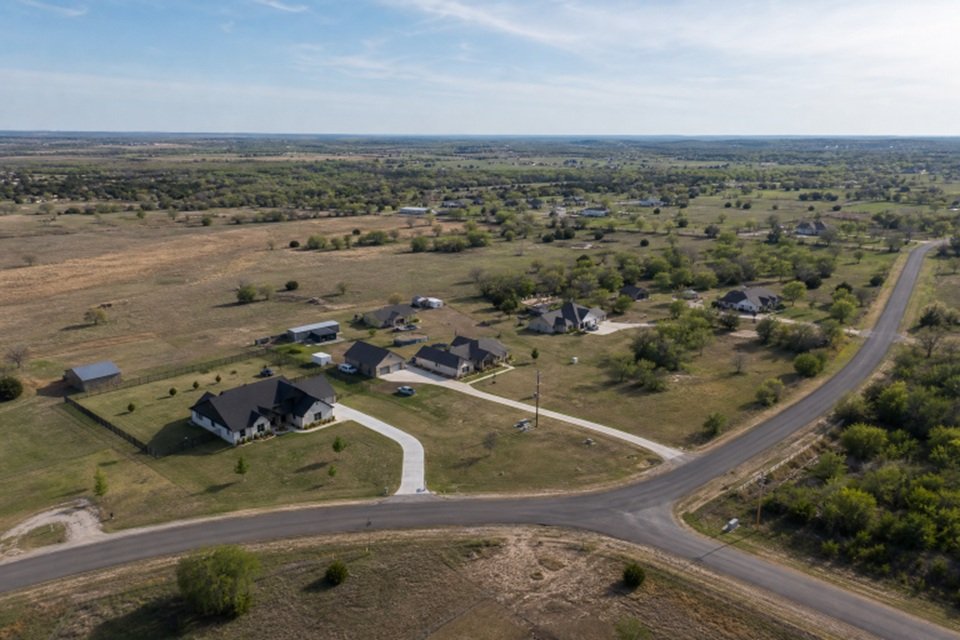
A well-maintained home can still become a frustrating purchase if the location adds unwanted travel, noise, limited access to everyday needs, or upkeep that does not suit your lifestyle. A central Wichita Falls address may place work, shopping, health care, and recreation closer to home. A property outside town may offer more land, privacy, or workshop space, but it can also mean longer drives and more responsibility for the property itself. Consider how the setting may work if your job changes, a family member needs nearby care, or you eventually decide to sell. Look at major roads, neighboring uses, street activity, and the overall feel of the surrounding blocks instead of judging a home by the lot alone.
Set Priorities Before Comparing Communities
Start with three short lists: must-haves, preferences, and deal breakers. Must-haves may include a maximum commute, a bedroom count, reliable internet, or proximity to services. Preferences could include a larger yard, a newer kitchen, mature trees, or an established neighborhood. Deal breakers may include a road that feels too busy, a layout that cannot support remote work, or maintenance demands that exceed your available time.
Questions Worth Asking
- How much daily driving is comfortable for the household?
- Would you trade a shorter commute for more square footage or acreage?
- Which services need to be convenient, including groceries, pharmacies, schools, parks, or medical care?
- Will the home need room for guests, a home office, hobbies, or relatives?
Compare The Full Cost Of Living
Use the listing price as a starting point, not the final number. Your monthly and annual budget should account for the mortgage payment, property taxes, homeowners’ insurance, utilities, internet, fuel, and likely repairs. Older homes may need closer attention to roofing, HVAC equipment, plumbing, electrical components, and insulation. Rural properties can add costs for fencing, driveway maintenance, wells, septic systems, or outbuildings. The housing market trends in Wichita Falls from the Texas Real Estate Research Center can provide a broad context for median prices and days on market. However, such figures cannot show the condition, tax burden, lot size, or appeal of a particular neighborhood or nearby town.
Review Commute Times & Local Services
Drive the route from each candidate’s home to work, school, child care, grocery stores, and medical appointments. Make the trip during the times you would actually use it, including morning and late-afternoon traffic. Also note how easily you can reach pharmacies, banks, restaurants, parks, libraries, and community facilities. Convenience is personal, but a few extra errands each week can make a meaningful difference over time.
Match Property Types To Your Plans
Different communities can offer very different housing choices. A single-family home may suit buyers who want a private yard. A smaller home or townhome may be better for someone seeking lower exterior maintenance. Older homes can offer established streets and distinctive details, while new construction may offer modern layouts and newer systems. Acreage can be a strong match for buyers who want animals, a shop, storage, or distance from neighbors, provided they are ready for the additional maintenance.
Check Weather, Flood, And Insurance Concerns
Ask sellers about known repairs, past hail or wind damage, roof age, drainage, and any insurance claims related to the property. Obtain an insurance quote early enough to understand the expected cost and coverage choices. Review the city’s floodplain management guidance and search for current address-level mapping when drainage or flood exposure is a concern. Conditions can vary from one property to another, even within the same community.
Visit Each Area Before Making An Offer
One scheduled showing is rarely enough. Return during the morning commute, after school or work hours, and on a weekend evening. Drive nearby streets respectfully, listen for traffic, trains, aircraft, construction, or commercial activity, and check cell reception. If possible, view the property after rain to observe drainage patterns. A house that feels quiet at midday can feel very different when the neighborhood is active.
Use Local Knowledge To Fill In The Gaps
Online research is valuable, but it cannot replace a careful inspection or questions directed to the appropriate professional. A lender can explain financing scenarios, an inspector can identify visible condition concerns, and an insurance professional can provide property-specific coverage information. Residents and real estate professionals may also help you understand practical differences between areas that do not appear in a listing description.
A Simple Community Comparison Checklist
Create a notebook page or spreadsheet for each area and score the following items consistently:
- Typical price range and expected monthly payment
- Property taxes, insurance estimate, utilities, and repair expectations
- Travel time to work, school, shopping, and health care
- Home styles, lot sizes, and maintenance demands
- Internet, cell service, roads, drainage, and storm considerations
- Access to recreation, services, and the places your household visits most
- Whether the property still fits if your needs change in several years
Final Thoughts
The best Wichita Falls-area community is the one that supports your budget, routines, comfort, and long-term goals, rather than simply offering the most attractive home. Compare the complete cost of ownership, including taxes, insurance, utilities, maintenance, and potential repairs, and test the daily drive to work, schools, shopping, and other regular destinations. Spend time in each neighborhood at different times of day to understand traffic, noise, parking, safety, and overall atmosphere. Also consider nearby services, outdoor spaces, property conditions, and how the area may fit your plans in several years. Taking time to revisit and compare each location can reveal important differences that are easy to miss during a single showing. A thoughtful neighborhood comparison now can help you avoid unexpected challenges and make the home you choose feel like a better fit long after closing day.




Leave a Reply