
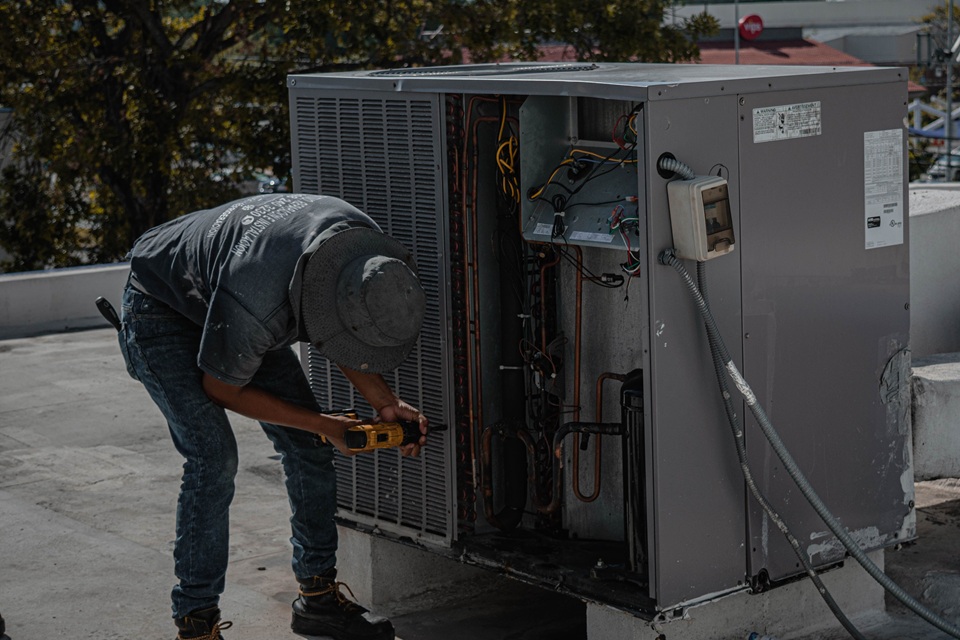
Clean HVAC work depends on more than a vacuum placed beside an open vent. Professional crews use inspection, suction, agitation, access, and containment equipment to remove debris without spreading it through the house. The right combination of tools also helps technicians protect duct materials, reach hidden sections, and document the condition of the system.
Negative-Air Machines Create The Pull That Moves Debris
Commercial negative-air machines produce steady suction through the duct network. Connected to a main trunk or plenum, this equipment draws loosened dust, hair, pollen, and construction residue toward a sealed collection point.
Unlike a household vacuum, the machine must move enough air to influence long branches and multiple returns. Strong negative pressure helps HVAC cleaning crews keep disturbed particles from escaping through registers and settling on nearby furniture.
How Do Inspection Cameras Improve The Cleaning Plan?
Compact cameras give technicians a view past register openings and into concealed duct runs. Video may reveal heavy deposits, damaged insulation, pest material, loose connections, moisture marks, or objects lodged near bends.
Clear images also help the crew choose suitable access points and cleaning tools. Homeowners searching for HVAC cleaning near me can ask whether the company provides visual findings before or after service rather than relying only on a quick glance at the vents.
Air Whips & Nozzles Reach Deep Into Duct Runs
Compressed-air whips use flexible lines to disturb debris along duct walls, seams, and corners. Their moving tips can reach farther into narrow branches than a hand-held vacuum attachment.
Directional nozzles guide pressurized air toward the collection equipment instead of scattering residue without control. Skilled technicians adjust the pressure for each section because excessive force can damage flexible ductwork or disturb internal lining.
Rotary Brushes Handle Buildup That Clings To Metal
Rotary brush systems loosen compacted material from durable sheet-metal surfaces. Different brush sizes allow crews to work inside round branches, rectangular trunks, and larger return pathways.
Careful selection matters because stiff bristles do not suit every system. Flexible lines, older connections, and insulated ducts often require a softer method, so professional HVAC cleaning begins with material identification rather than aggressive brushing.
HEPA Vacuums Support Detailed Work Around Components
Portable HEPA vacuums help clean register covers, return grilles, filter compartments, blower areas, and accessible cabinet surfaces. Their high-efficiency filters capture fine particles that ordinary shop vacuums may release through the exhaust.
Targeted suction complements the larger negative-air setup by handling debris near openings and equipment. During HVAC cleaning in Brentwood TN, crews may use both systems so broad duct cleaning and close-detail work receive the right level of control.
Access Tools Open Sections That Registers Cannot Reach
Main trunks and plenums are not always reachable through room vents alone. Sheet-metal cutters, drills, service panels, plugs, and fastening tools allow technicians to create controlled openings in suitable locations.
Proper closure remains part of the service once cleaning ends. Secure access panels and compatible sealants help preserve airflow, prevent leaks, and leave a practical entry point for future inspection without damaging nearby surfaces.
Protective Equipment Keeps Dust Away From The Home
Floor runners, drop cloths, hose sleeves, and corner guards protect hardwood, carpet, walls, trim, and furniture. Register seals also help direct suction through the section being cleaned while reducing the chance of loose debris entering occupied rooms.
Personal protection matters when crews encounter fiberglass, pest residue, soot, or unknown dust. Respirators, gloves, eyewear, and protective clothing allow technicians to work safely while keeping contaminated material contained.
Air Compressors Power More Than One Cleaning Tool
Professional compressors supply the airflow needed for whips, skipper balls, and directional nozzles. Tank size, hose length, and pressure settings affect whether these attachments perform consistently throughout the job.
Controlled delivery matters more than maximum force. Experienced crews regulate output according to duct size, material, condition, and distance from the vacuum connection so the tools loosen debris without creating unnecessary damage.
Pressure Gauges Help Confirm The System Is Under Control
Pressure readings show whether the negative-air setup is producing adequate suction. Weak measurements may point to air leaks, poor equipment placement, an open register, or a disconnected duct section.
Reliable monitoring helps technicians correct those problems before continuing. Without enough pressure, agitation tools may simply move dust from one area to another rather than carrying it toward the collection machine.
Lighting Tools Reveal Details In Dark Equipment Areas
Bright work lights and flexible inspection lamps make hidden surfaces easier to evaluate. Technicians can examine blower compartments, return boxes, plenums, and tight utility spaces without relying on room lighting.
Better visibility reduces missed debris and accidental contact with wiring, sharp edges, or fragile components. Small details often determine whether a crew can work safely and whether another HVAC contractor should address damage first.
Sealing Materials Restore Openings After The Work
Foil tape, approved mastics, gaskets, fasteners, and fitted panels close service openings once the cleaning process is complete. Appropriate materials depend on whether the section is metal, flexible, lined, or located near HVAC equipment.
Loose patches can create air loss and draw dust from attics, crawl spaces, or wall cavities. Professional sealing protects the cleaned system from immediate recontamination and helps maintain the pressure intended by its original design.
Documentation Tools Make The Service Easier To Understand
Digital photos, video recordings, written notes, and equipment readings provide a record of visible conditions. Documentation can show where heavy buildup appeared, which areas received attention, and whether technicians noticed damaged or inaccessible sections.
Brentwood Air Duct Cleaning uses inspection and source-removal tools to evaluate and clean accessible HVAC pathways in Brentwood-area homes. Their team can explain the equipment selected for the property, describe how each tool supports the work, and recommend HVAC cleaning based on the system’s layout, materials, and condition.



Leave a Reply