
Key Takeaways:
- Temperature, rainfall, humidity, food, water, shelter, and entry points all affect household pest activity.
- Warm conditions often increase insect movement, while colder weather can push rodents toward stable indoor shelter.
- Leaks, clutter, open food, standing water, and small exterior gaps can turn a minor sighting into a recurring problem.
- Seasonal inspections help homeowners address risks before pests settle in walls, attics, garages, basements, or crawl spaces.
- Effective prevention focuses on removing the conditions pests need, not only on treating visible pests.
Household pests do not follow the calendar alone. They respond to the conditions around them, including shifts in weather, available moisture, accessible food, and protected places to hide. Homeowners who understand those patterns can make small changes before an occasional ant, mosquito, mouse, or spider becomes a larger issue.
For many properties, prevention starts with everyday maintenance rather than a single treatment. Sealing gaps, managing moisture, properly storing food, and monitoring activity can reduce the need for reactive pest control services later. The goal is to make the home less attractive and less accessible to the pests common in the area.
How Weather Changes Pest Activity
Weather influences where pests travel, feed, breed, and shelter. Many insects become more active as temperatures rise because warmth supports movement and reproduction. Heavy rain can flood soil nests, saturate outdoor hiding places, and send insects toward drier areas around foundations, garages, and kitchens. Extended dry periods can have the opposite effect, pushing pests toward dependable water sources such as dripping pipes, pet bowls, irrigation lines, and damp mulch.
Rodents are especially likely to seek indoor shelter when temperatures drop or outdoor food becomes scarce. A sudden cold snap may lead mice to enter through a garage door gap, a utility opening, or a damaged vent. After several wet days, ants may appear near a kitchen because moisture has disturbed their outdoor nesting areas, and crumbs offer an easy food source.
Seasonal Pest Patterns To Watch
Seasonal patterns vary by region, elevation, rainfall, and home construction. Local weather can shift these patterns by several weeks, so it is more useful to watch conditions than to rely on a fixed date.
Spring
As temperatures rise, ants often resume foraging, wasps may begin building nests in sheltered spots, and moisture-loving insects become more noticeable. In some regions, termite swarms may occur when warm, humid conditions follow rainfall. Check screens, foundation edges, gutters, and outdoor storage areas before activity builds.
Summer
Heat can increase activity among mosquitoes, flies, ants, and stinging insects. Open doors, outdoor meals, overflowing trash, and standing water create easy opportunities for pests. Patios, decks, sheds, grills, and garbage areas deserve regular attention during this season.
Fall
Fall is a major transition period for rodents and insects looking for winter shelter. Leaf piles, stacked firewood, dense vegetation, and cluttered garages provide cover close to the house. Inspect door sweeps, roofline openings, garage edges, and gaps around pipes before cooler nights arrive.
Winter
Outdoor activity may decline, but indoor sightings can increase. Rodents may be heard in ceilings or walls, and insects can gather near warm plumbing, appliances, HVAC equipment, and stored goods. A warm home with food and hiding places can support pest activity year-round.
Why Moisture, Food, & Shelter Matter
Most household pests need the same basics: food, water, and a protected place to live. A tidy home can still have a pest problem if a leaking pipe, a wet crawl space, a clogged gutter, or a damp basement provides ongoing moisture. Check beneath sinks, around water heaters, near HVAC equipment, and along basement walls for condensation or leaks.
Food sources are often smaller and less obvious than people expect. Crumbs behind appliances, open pantry packages, pet food, birdseed, compost, grease residue, and poorly sealed trash cans all attract pests. Store dry goods in sturdy, sealed containers, empty indoor trash regularly, and clean up spills before they become a recurring food source.
Common Ways Pests Enter A Home
Pests use openings created for doors, ventilation, drainage, wiring, and plumbing. Common entry points include gaps beneath exterior doors, torn window screens, cracks in siding or foundations, openings around cables, roof vents, loose weatherstripping, and garage-door edges. Firewood, cardboard boxes, plants, and packages can also carry pests inside.
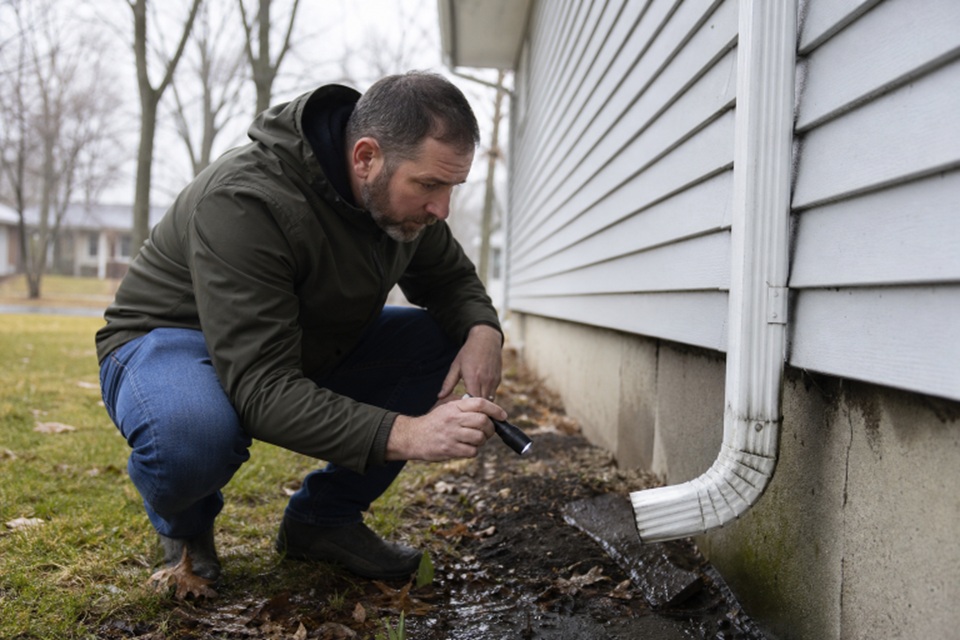
Perform a simple exterior inspection in the evening with a flashlight. Look for daylight beneath doors, damaged screens, droppings, gnaw marks, nesting material, or trails along walls. Small openings can be important, particularly when pests have a reliable food or water source waiting inside.
Room-By-Room Pest Checks
Kitchen & Bathroom
In the kitchen, inspect pantry shelves, cabinet corners, trash containers, sink plumbing, and the spaces beneath appliances. In bathrooms, focus on leaky fixtures, damp cabinets, poor ventilation, and gaps around pipes. Wipe surfaces, repair moisture issues, and avoid leaving food or standing water available overnight.
Basement, Crawl Space, Garage, & Yard
Basements and crawl spaces should be checked for water intrusion, wood debris, clutter, and damaged vents. In garages, keep cardboard, fabric, firewood, and garden supplies elevated when practical. Outside, trim plants away from siding, clear leaves from drainage areas, and move stored materials away from the foundation.
A Simple Seasonal Prevention Plan
- Inspect: Walk around the property and note moisture, gaps, debris, and signs of activity.
- Remove: Eliminate standing water, food waste, excess clutter, leaf piles, and nesting materials.
- Repair: Fix leaks, replace damaged screens, add door sweeps, and seal appropriate exterior openings.
- Store: Keep food, pet supplies, birdseed, and seasonal belongings in sealed containers.
- Monitor: Use visual checks or properly labeled traps where appropriate, and record where activity occurs.
Keeping notes about sightings, weather, and moisture conditions can reveal useful patterns over time. Homeowners can also use research-based garden and home guidance to support seasonal observation and responsible outdoor maintenance.
Safe Pest Control Practices
Random pesticide use may miss the reason pests are present in the first place. Identify the pest when possible, remove food and water sources, and follow every product label exactly. Do not mix products, use outdoor treatments indoors unless the label permits it, or apply treatments where children, pets, food, or water could be exposed.
An integrated approach combines inspection, sanitation, exclusion, monitoring, and targeted control. The integrated pest management principles emphasize identifying and monitoring pests before choosing the least risky effective response. Avoid handling wasp nests, rodent nests, or unfamiliar insects without proper precautions.
When To Seek Professional Help
A qualified inspection may be appropriate when activity continues after basic prevention steps, sightings occur in multiple rooms, or there are droppings, gnaw marks, nesting material, structural damage, or unusual odors. Professional help is also advisable for suspected termites, bed bugs, rodents, or stinging insects nesting near doors, play areas, or frequently used spaces.
Frequently Asked Questions
Do Pests Only Become A Problem In Summer?No. Summer can increase activity for many insects, but cooler weather often drives rodents and other pests indoors. Indoor warmth, water, and food can support activity in every season.
Can Rain Cause More Bugs To Appear Inside?Yes. Rain can disrupt outdoor nests and hiding places while increasing moisture around foundations, basements, and crawl spaces. Some pests then move toward drier or more protected indoor areas.
What Is The First Step After Spotting A Pest?Record where and when it appeared, take a clear photo if possible, remove accessible food or water, and inspect nearby gaps or moisture sources. Accurate identification helps prevent the use of the wrong control method.
Conclusion
Household pest activity is shaped by conditions, not simply by the month on the calendar. Weather, moisture, food, shelter, and small entry points influence where pests travel and settle. A practical seasonal inspection routine can help residents find risks early, make simple repairs, and prevent a minor sighting from developing into a larger household problem.



Leave a Reply